Everything you need to know about
Arabic perfumes
Arabic perfumery is one of the world's oldest and most refined fragrance traditions. Here you'll find the history, ingredients, perfume houses and how to choose the perfect scent for you.
4000 years before Chanel No. 5
Arabic perfumery has a history spanning more than 4000 years. Long before the modern perfume industry was founded in France in the 1600s, Arabic merchants and perfumers had already developed sophisticated techniques for extracting, blending and preserving scents from nature's richest raw materials.
It was the Arabic physician and chemist Ibn Sina — known in the West as Avicenna — who in the 11th century perfected the steam distillation process for extracting pure essential oils from flowers and plants. This technique laid the foundation for the entire modern perfume industry.
In Arabic culture, perfume has always held a deeper meaning than just smelling good. Perfuming oneself, one's home and one's guests was seen as an act of hospitality, purity and respect.
Today, Dubai and the United Arab Emirates are the world's epicentre for luxury perfumery. Perfume houses such as Lattafa, Khadlaj, Swiss Arabian and Maison Alhambra produce fragrances exported worldwide.
Arabic merchants trade with incense, myrrh and sandalwood along the Silk Road and the Arabian trade route.
Steam distillation is perfected, and pure essential oils can for the first time be extracted from flowers and plants.
Perfume houses such as Swiss Arabian (founded 1974) and Lattafa are established in the Gulf and begin exporting to the world.
Arabic perfumes are among the fastest growing segments in the global fragrance industry, loved for longevity, depth and value.
The raw materials that make Arabic perfumes unique
Arabic perfumes are known for their rich, complex and long-lasting ingredients. Here are the most important raw materials you will encounter.
The king of Arabic perfume ingredients. Formed in the heartwood of the Aquilaria tree when infected by a specific type of fungus — a dark, resinous substance with a deeply woody, smoky and animalic scent. Real oud is one of the world's most expensive perfume materials.
A warm, sweet blend of labdanum, benzoin and vanilla. The cornerstone of oriental and Arabic perfume blends — contributing a golden, enveloping warmth that helps fragrances cling to the skin for a long time.
Arabic musk is typically white and creamy — a skin-close, soft and almost invisible scent that sits like a warm film on the skin. Arabic perfume houses are masters at using musk as a foundation that lifts and extends all other ingredients.
Provides a creamy, milky and warmly woody scent that binds other ingredients together. Mysore sandalwood from India is considered the finest. An indispensable base note in Arabic perfumery.
The rose from Taif in Saudi Arabia is one of the world's most exclusive perfume roses — rich, honeyed and slightly fruity. Distinctly different from Bulgarian or Turkish roses and used in premium Arabic fragrances.
One of the world's most expensive spices and a beloved ingredient in Arabic perfumery. Provides a warm, spicy and slightly metallic character. Often combined with rose, oud and ambre to create classic oriental accords.
Why do Arabic perfumes last so long?
One of the most frequently asked questions we receive. The answer lies in a combination of raw materials, concentration and production technique.
Higher concentration
Arabic EDPs often contain 18–25% perfume oil, while Western EDPs typically sit at 12–18%. This difference alone can mean 2–4 extra hours of longevity.
Heavy base notes
Oud, ambre, musk and sandalwood are ingredients with large, heavy molecules that bind deeply to the skin and evaporate very slowly — long after the top notes are gone.
Oil-based tradition
Arabic perfumery has roots in oil perfume and attar — alcohol-free perfumes applied directly to the skin. Even modern Arabic EDPs carry this heritage with oil-rich bases that cling better.
Climate adaptation
Arabic perfumes are developed for hot climates where the fragrance must compete with intense heat. This has led to extremely robust formulations — a quality that proves itself well in cool climates like Norway's.
Arabic vs. Western perfumery
Two traditions that have developed along very different paths. Here are the key differences.
The brands you find with us
We carry a wide selection of the best Arabic perfume houses. Here is a selection of the brands in our range.
One of the world's most well-known Arabic perfume houses, with an enormous range for all tastes and budgets. Particularly known for its gourmand and oriental fragrances with impressive longevity.
See all Lattafa fragrances →Known for exclusive and artfully designed perfume bottles, and fragrances that combine traditional Arabic perfumery with modern sensibility. A preferred choice for those who want something extra.
See all Khadlaj fragrances →Known for prestigious inspirations of the world's most iconic designer perfumes — at a fraction of the price. Jean Lowe Immortal is their best-selling fragrance in Norway.
See all Maison Alhambra fragrances →Combines Arabic perfume tradition with European elegance. Known for sophisticated and complex fragrances with good projection and longevity.
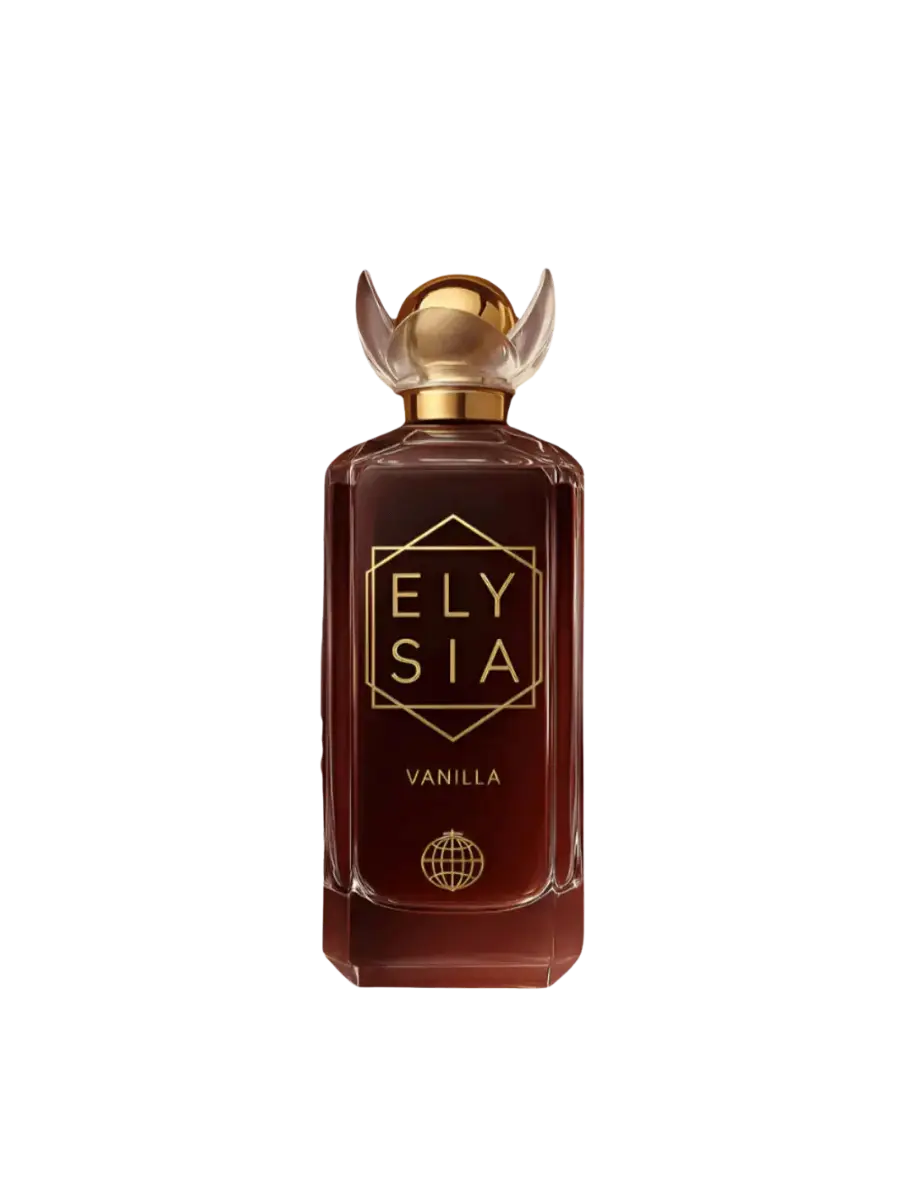
See all Paris Corner fragrances →Creators of the popular Elysia series. Known for accessible, sweet and friendly fragrances with high quality — a perfect starting point for new Arabic perfume fans.
See all Fragrance World fragrances →One of the most traditional Arabic perfume houses, founded in 1974. Combines Swiss precision with Arabic perfume art — particularly known for its oud-based fragrances.
See all Swiss Arabian fragrances →How to choose your first Arabic perfume
With hundreds of fragrances to choose from, it can be overwhelming to know where to start. Here is a simple guide.
Decide on a fragrance family
Start by thinking about what type of scent you like. Do you enjoy sweet, warm fragrances? Try gourmand or oriental. Do you prefer something more masculine and woody? Look at the woody and oud categories. New to Arabic perfumes? Start with floral or gourmand fragrances.
Think about season and occasion
Arabic perfumes are often stronger than their Western equivalents. Heavy oud and ambre bases are best suited for autumn and winter, or evenings. For summer and everyday use, lighter floral and musk fragrances are preferable.
Try via decant first
Perfume smells different on different people — skin chemistry, temperature and humidity all affect how a fragrance develops. We always recommend ordering a decant before investing in a full bottle.
See all decants →Give the fragrance time
Don't judge an Arabic perfume just from the first spray. Let the fragrance develop on your skin for at least 30 minutes — it's in the dry-down phase that the real magic happens.
Find your first
favourite Arabic fragrance
100% authentic. Shipped from our warehouse in Oslo. 30-day open purchase.