Have you also noticed that everyone is suddenly talking about Lattafa? It's no coincidence. This Arabian perfume brand has, in a short time, conquered the perfume shelves – and the hearts – of thousands of Norwegians. But what exactly makes Lattafa so special? We delve into the secret behind its success.
What is Lattafa – and why is everyone so excited?
Lattafa is an Arabian perfume house with roots in Dubai. They are known for creating rich, long-lasting fragrances with heavy base notes such as oud, amber, musk, and vanilla. What has truly made people notice them is the combination of a luxury experience at a surprisingly low price.
While well-known designer brands often cost 700–2500 NOK for a bottle, you can get a high-quality Lattafa perfume for a fraction of that. And that's far from the only thing speaking for them.
8 reasons why Lattafa has become so popular
1. Incredible value for money
Lattafa is known for what the perfume community calls "beast mode" longevity – the scent lasts for hours. Nevertheless, the prices are significantly lower than those of traditional designer brands. For many Norwegians, this is a revelation.
2. Viral on social media
Fragrances like Yara and Khamrah have exploded on TikTok and Instagram. Thousands of perfume enthusiasts have shared their honest reviews, creating enormous trust in the brand.
3. Luxurious packaging
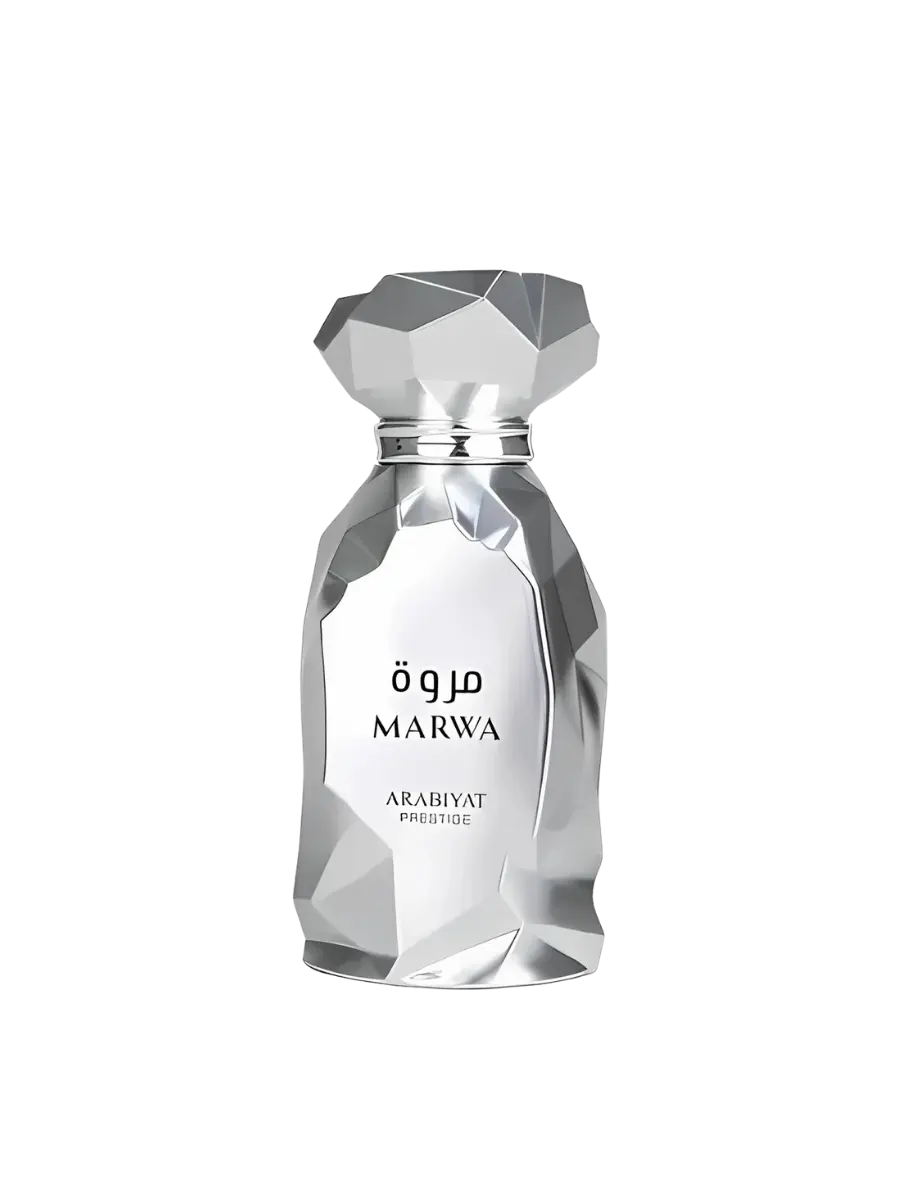
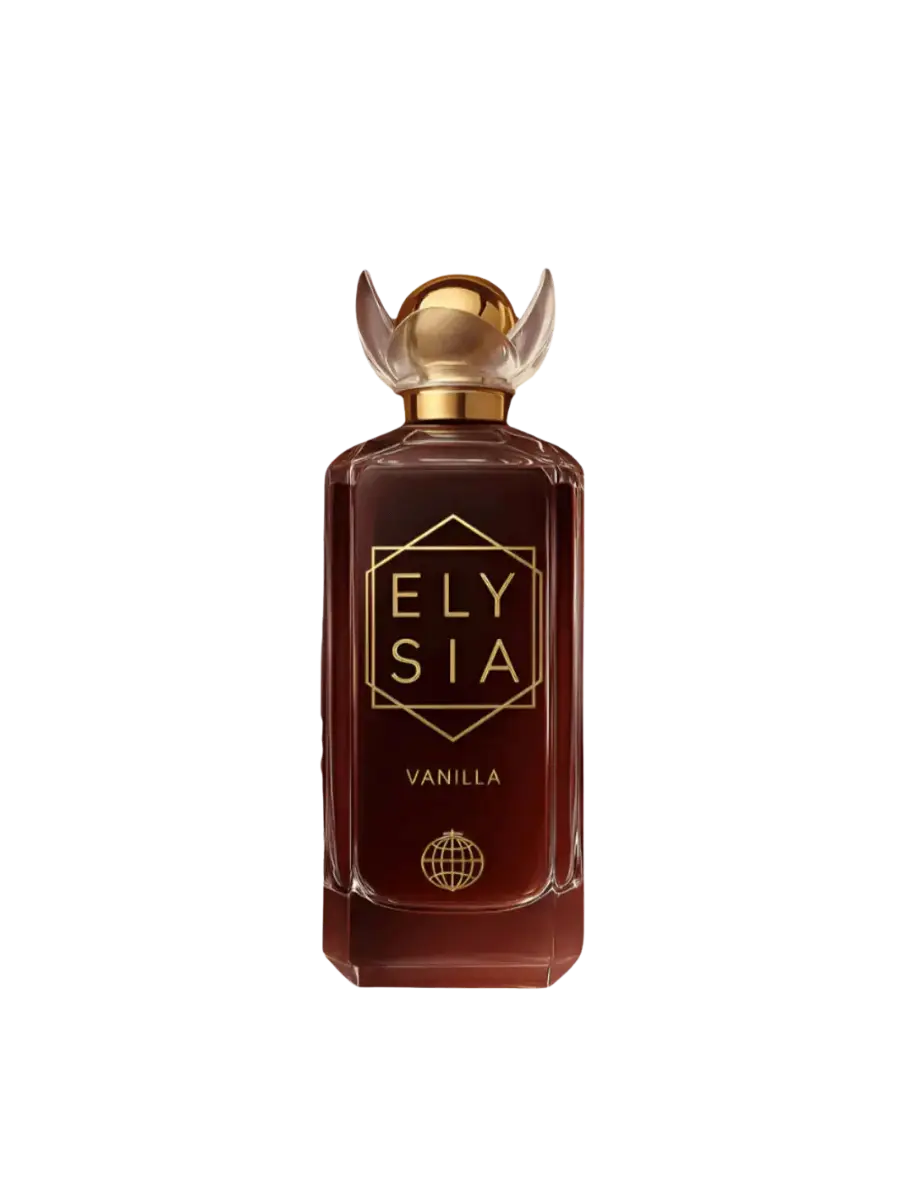
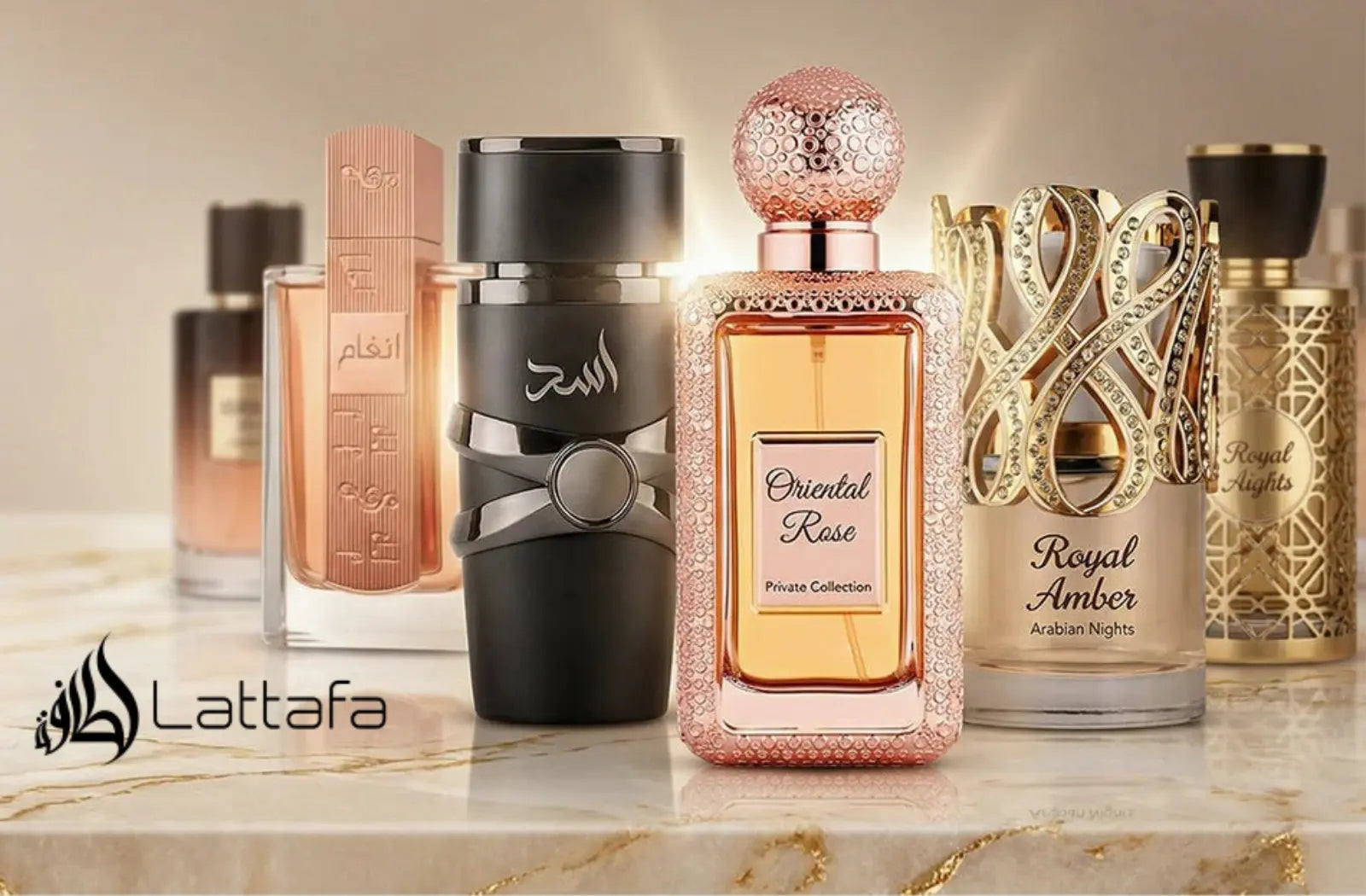
Heavy glass bottles, sophisticated design, and metallic details – Lattafa looks expensive. It's an unboxing experience that feels premium, even if the price isn't.
4. World-class gourmand fragrances
Sweet, delicious, and warming scents are currently at their peak. Lattafa has mastered this trend with notes of coffee, chocolate, vanilla, and caramel – scents that are almost impossible not to like.
5. Affordable alternatives to niche perfumes
Oud, saffron, and amber are expensive raw materials. Lattafa makes these exclusive-sounding ingredients accessible to everyone, without you having to pay niche prices of 2000–4000 NOK.
6. Constantly new fragrances
The brand launches new fragrances more frequently than Western houses. This keeps perfume enthusiasts engaged and always provides something new to explore.
7. Cultural fusion
Lattafa blends traditional Arabian fragrance notes with Western sweetness. The result is something truly unique – a style that fits just as well on Karl Johans gate as in Dubai.
8. Perfect for "blind buy"
When the price is low, the threshold for trying something new is much lower. This has created an entire culture around buying Lattafa without having smelled it first – and most people are pleasantly surprised.
What makes Lattafa fragrances so addictive?
It usually starts with a strong opening accord of oud and spices. Then it softens with warm amber and creamy vanilla. The result is a scent that lingers for hours – on your skin, on your clothes, and in the room around you.
For many Norwegians, especially in the colder months, these rich, warming scents feel particularly right. They are satisfying in a good way, like a cup of hot cocoa on a cold winter evening.
Real customer experiences – what are people saying?
Here are some testimonials we have collected from perfume lovers who have tried various Lattafa fragrances:
- Mayar: Started lukewarm, but after a month of maturing, it became a true favorite. Juicy, fruity, and floral – perfect for summer. Longevity of 12–15 hours.
- Khamrah Qahwa: Not as sweet as the original, with a mild coffee note. After a little settling time: absolutely fantastic. Lasts over 10 hours.
- Musamam White Intense: Seemed strange at first, but evolved into one of the best. Smells exclusive – like a luxury resort by the sea.
- Eclaire: Lots of alcohol at the first spray, but after a few weeks? A lovely gourmand scent that lasts 5–6 hours.
Tip: Many Lattafa fragrances need a little time to "open up." Give them 2–4 weeks to mature before you judge them.
How to avoid fake Lattafa perfumes?
Unfortunately, there are fakes out there. Here's what to look for:
- Hologram sticker: Every genuine product has a 3D hologram with a QR code. Scan it – it should lead to verify.lattafa.com.
- Price: Genuine 100 ml EDP typically costs between 300–800 NOK. If it's much cheaper, you should be skeptical.
- Batch code: Check that the code on the bottom of the bottle matches the code on the box.
- Glass and cap: Genuine Lattafa bottles are heavy and free of air bubbles. The cap should click securely into place.
- Longevity: Genuine Lattafa lasts 8–12 hours. If the scent disappears after an hour, it's probably a fake.
Always buy from an authorized and reliable retailer – like parfymeparadiset.no – to ensure you get genuine products.
Summary – why Lattafa has deserved all the attention
Lattafa has succeeded because it delivers on all fronts: longevity, depth, design, and price. They have democratized luxury perfume and made Arabian fragrance notes accessible to everyone. Whether you are a perfume beginner or an experienced collector, there is something in the Lattafa universe for you.
And the best part? You don't have to spend a fortune to smell like a million.
Frequently Asked Questions about Lattafa
How long does Lattafa perfume last?
Most Lattafa fragrances last between 8 and 14 hours on the skin, depending on the fragrance and your skin type. They are known for their exceptional longevity.
Is Lattafa a niche perfume house?
Lattafa is not a traditional niche house, but many of its fragrances have a complexity and depth reminiscent of niche perfumes – at a much lower price.
Are Lattafa fragrances suitable for the Norwegian climate?
Yes! The heavy, warming base notes of oud, amber, and musk are particularly well-suited for the autumn and winter months. But they also have lighter options for spring and summer.
How do I know if I'm getting genuine Lattafa?
Always buy from an authorized retailer. Check the hologram sticker, batch code, and ensure the glass is of good quality. At parfymeparadiset.no, we only sell genuine products.
What are the most popular Lattafa fragrances?
Khamrah, Yara, Asad, and Khamrah Qahwa are among the most beloved. All are available from us.